ANTIQUE PRE-1950 Parlor Guitar Trapdoor Likely 10S-30S
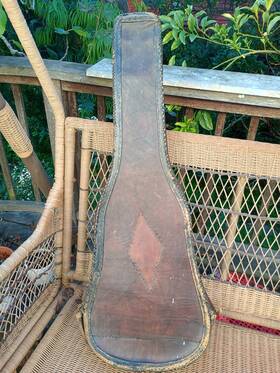
( Brand: Antique ), ( Manufacturer Part Number: PRE-1950 ), ( Material: Leather ), ( Type: Cover ), ( Color: Brown )
Review ANTIQUE Vintage Parlor Guitar Trapdoor Case Likely 10s-30s All Leather
Vintage Pre-1950 Parlor Guitar with Trapdoor Design
Description:Step into the realm of timeless music and authentic craftsmanship with this exquisite antique parlor guitar from the early 10s to 30s. This instrument is not just a musical tool but a piece of history that adds character and charm to any music room or collection.
Crafted before 1950, this parlor guitar boasts an alluring trapdoor design, a unique feature that sets it apart from its contemporary counterparts. The trapdoor refers to the soundhole cover, which can be opened or closed, offering the player the option to modify the sound projection and acoustic response. This ingenious design was popular during the early 1900s, adding an extra layer of versatility to the instrument.
The body of this vintage parlor guitar is made of solid wood, most likely mahogany or spruce, with an inviting satin finish that allows the natural grain patterns to shine through. The top and back are adorned with intricate rosette designs, adding an artistic touch to the overall appearance.
The neck is made of mahogany or maple, with a slender profile and a smooth, satin finish. The fingerboard is crafted from ebony or rosewood, featuring pearl or mother-of-pearl inlays and a 14-inch radius for easy playing.
This antique parlor guitar comes equipped with six brass open-gear tuning machines, which not only add to its vintage appeal but also ensure accurate and stable tuning. The bridge and saddle are made of bone, providing optimal transfer of string vibrations to the body for rich and resonant tone.
The guitar's dimensions are approximately 38 inches long, 15 inches wide, and 4 inches deep, making it a perfect fit for any cozy parlor or living room. The overall condition is excellent, with minor signs of wear and tear that only add to its antique character.
Playing this vintage parlor guitar with a trapdoor is an experience like no other. The sound is warm, rich, and mellow, with a balanced response and a clear, articulate tone. Whether you're strumming your favorite folk tunes or playing intricate fingerstyle pieces, this guitar will captivate your audience with its unique charm and authentic vintage sound.
In conclusion, this antique pre-1950 parlor guitar with a trapdoor design is a must-have for any serious collector or musician who appreciates the rich history and artistry of acoustic music. Its exceptional craftsmanship, vintage design, and unique sound make it a true treasure that will be cherished for generations to come.
Buying an antique parlor guitar from the pre-1950 era, specifically one with a trapdoor or "silent" feature, can be an exciting prospect for collectors and musicians alike. This type of guitar was popular during the 1910s to 1930s and offers a unique blend of historical value and potential musical qualities. Here are some pros and cons to consider before making a purchase.
Pros:1. Historical significance: Owning an antique parlor guitar with a trapdoor is a great way to connect with the past. These guitars were once common household instruments and are now becoming increasingly rare and sought-after by collectors.
2. Unique design: The trapdoor feature is an intriguing design that sets these guitars apart from modern instruments. This hidden compartment was often used to store sheet music or other small items, adding to the guitar's appeal.
3. Potential musical value: Antique parlor guitars can offer a warm, rich sound that is different from modern guitars. Their smaller size and shorter scale length may also make them more comfortable for some players.
4. Investment potential: As with any rare or vintage item, there is the potential for appreciation in value over time.
Cons:1. Condition: Antique guitars, especially those with unique features like the trapdoor, can be in various states of repair. Be prepared for potential restoration costs or the possibility of a less-than-perfect instrument.
2. Playability: Some antique parlor guitars may not play as well as modern instruments due to factors like worn strings, adjustments needed to the bridge or neck, or other age-related issues.
3. Value determination: Determining the exact value of an antique parlor guitar can be challenging due to the rarity and variability of these instruments. It's essential to consult with experts or reputable sources for accurate appraisals.
4. Maintenance: Antique guitars require more care and attention than modern instruments. Proper storage, humidity control, and regular maintenance are crucial to preserving their condition and value.
In conclusion, buying an antique parlor guitar with a trapdoor can be a rewarding experience for those who appreciate history, unique designs, and potential musical value. However, it's essential to be aware of the potential challenges and costs associated with owning and maintaining such an instrument.
My recommendation would be to thoroughly research the specific guitar you're considering, including its condition, provenance, and potential value. Consult with experts, such as appraisers or luthiers, to help determine the instrument's worth and any necessary repairs. Ultimately, the decision to purchase an antique parlor guitar with a trapdoor should be based on your personal interest in the instrument, its historical significance, and the potential enjoyment it could bring as a musical instrument or collectible.
Details:
The leather seems soft but tough, and like its moderately overdue for treatment outside of my expertise, is not in bad shape. This is an INCREDIBLY cool Antique parlor guitar trapdoor case, likely from the 1910s-30s. Presumably American-made given the but with no manufacturers mark that I can see. ALL leather, felt lined.
The latch needs to be repaired. In very good condition for its age. Measures 36.5 long, 14 wide at the lower bout, 10 upper and depth tapers up from about 4 head stock to 4.5 near where neck meets body, 5 towards top. There aren't a lot of comparable sales for cases like this, I'm open to discussing the price.
Ships fast, well protected, and always fully insured.
part #: pre1950 prices
- $25.00-$275.00
specifications casguita:
- brand: Antique
- mpn: Pre-1950
- material: Leather
- type: Cover
- color: Brown
payments casguita:
- credit card: Mastercard
- other
- wallet: Apple-pay
general casguita:
- Guitars Basses > Parts Accessories > Cases
- condition: Pre-owned
seller casguita:
- city: Berkeley, California
- rating: 100.0%
- # reviews: 635
shipping casguita:
- class: Standard
- carrier: UPS
- type: Fixed
- cost: $40.00
- transit: 4-10 Days
- service: UPS Ground
offer casguita:
- sold: 0
- best offers: True
- started: November 25, 2025
- quantity: 1
- availability: In Stock
- options: Ship-to-home
returns casguita:
- policy: No Returns
Antique PRE-1950 Is Similar To:
- Hlg268 Harvest Fine Leather Cow Antique Double Electric Guitar Bag (20.7% similar) ...(September 20th, 2018)
- Hls268 Harvest Fine Leather Cow Antique Long Electric Bass Strap (19.6% similar) Both holes are ready to accommodate a classic instrument pin. 55 inches 14MM long. HLS017, with a length range of inches 6MM in diameter slit. 25 inches 107 cm. 3 inches cm. This strap is the perfect length for those who like to hold their bass in a lower position while playing. 5 inches 128 cm ...(September 20th, 2018)
- Hlsb68 Harvest Fine Leather Cow Antique Guitar Bag Backpack Straps (19.3% similar) Thread the leather section with snaps over bar of buckle, fold it about an inch a couple centimeters, and snap to itself. 4 pounds harvest fine leather cow Antique guitar bag backpack straps case by the dimensions of these are as follows: length is adjustable Fromm. 9 inches requirements for a ...(September 20th, 2018)
- K3500 Kay Antique Acoustic Flattop Guitar Ser L1381 Orig Case L K Collectible (42.3% similar) The neck heal is not cracked or separated from the body and appears straight while the original tuners are in good condition and working. This guitar was just received and came from a retired executive's estate and came with an equally aged guitar case. Not being a guitar expert it looks like the ...(November 27th, 2016)
- Cort B-001-1916-0 G290fatiiavb Double Cutaway Electric Guitar Antique Violin Burst (17.3% similar) This new truss rod adjustment feature allows the player to dial in exact amount of neck bow depending player?technique and playing style. Often overlooked by many guitarists, the neck bow or relief is very critical for best possible play ability...(January 31st, 2025)